What was on TV? Mon, April 4, 2005
The GOAT true crime miniseries comes for America, and 24 goes nuclear on a boring character. Plus lots more around the dial.

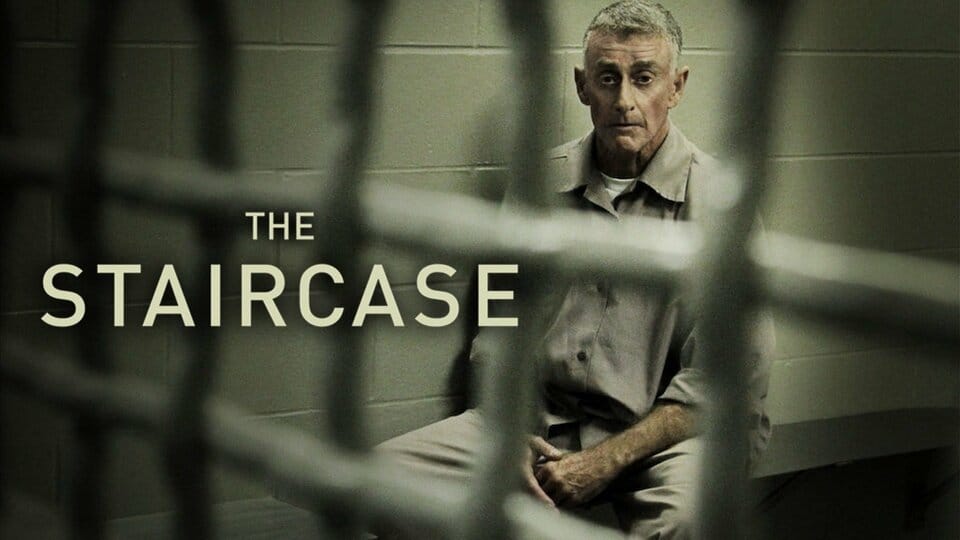
20 years ago, true crime miniseries were so niche they aired on the Sundance Channel. Let's see what was on TV!
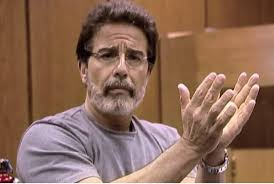
8:00 The Staircase on Sundance
1x01 "Crime or Accident?"
The Staircase is the grandaddy of all true crime miniseries. Its descendents should all be ashamed.
Just watch a scene like the lengthy one in which Michael Peterson's lawyer David Rudolf tells his team Michael's entire life story, complete with visual aids. In the modern Netflix version of this miniseries, this all done with graphics and overexplained multiples times for the benefit of people watching while on their phones. There would be so many talking heads. But here, we simply watch Rudolf as he tells this story. Director Jean-Xavier de Lestrade draws our attention to the choices Rudolf makes, the details he emphasizes and omits. He encourages our skepticism, and he forces us to pay attention. There are no talking heads from experts guiding us to a preferred opinion. We only watch as a man with an agenda tells a story. Lestrade understands that it riveting all on its own.
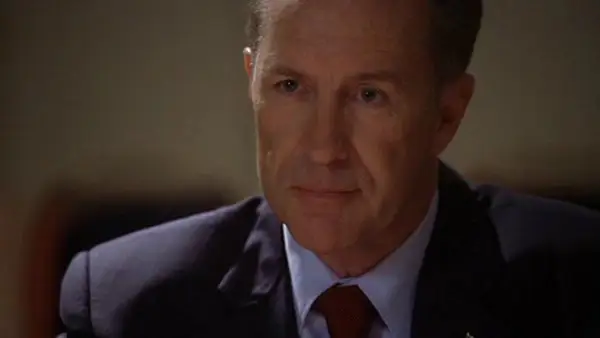
9:00 24 on Fox
4x16 "Day 4: 10:00 pm - 11:00 pm" (record The Staircase on Sundance)
An episode where the president gets nuked should be more exciting, right? Fox certainly treated this like a big deal, rerunning the episode multiple times in the following week. Perhaps that was also because this episode was up against March Madness and the Pope's funeral, so a lot of people likely skipped it. But I didn't feel the hype. The president was super boring anyway. This didn't feel like a gut-wrenching and shocking death. It felt more like a show dispensing with a dud character.
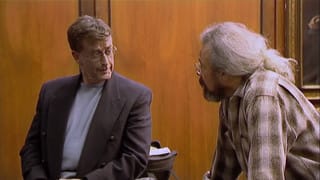
10:00 The Staircase (recorded)
1x02 "Secrets and Lies"
In my review of the first episode, I discussed how The Staircase is wonderfully old-fashioned in its style and restraint. But The Staircase feels remarkably ahead of its time in its themes.
Almost no one was talking about bisexuality in 2005, let alone open marriages. But this episode opens with a lengthy discussion of Michael Peterson's bisexuality. Lawyers bluntly acknowledge that Michael's bisexuality will make him look like a villain, and they spend time figuring out how to present his sex life in the best light possible. It feels radical, both in its matter-of-fact treatment of Peterson's sexuality and in its frank acknowledgement of the homophobia he will face.
But that isn't all! In the best scene of the series so far, Michael goes on a drive and expounds at length on the racism and hypocrisy of Durham, North Carolina. His points and arguments are sound. But you can't help but sneer when he whines that the focus on his case should be directed at these real problems. It's so smug, so self-serving. This callous use of serious issues to excuse supposedly minor crimes, the insistence on being the most enlightened one of all. It feels right at home in 2025.
And then we get to the focus group's assessment of Taiwanese forensic expert Dr. Henry Lee. Everyone was so determined to pretend that racism didn't exist in the 2000s. So the baldfaced racism directed at Lee and the defense team's quick acquiescense to that racism is horrifying and cathartic. We see how quickly the thin veneer of microaggressions and rationalizations crumbles, revealing the naked and ugly truth. We get to see the world as it truly was, and still is. It's nonfiction filmmaking at its finest.
What Else Was On
ABC news Peter Jennings announced that he was stepping away due to his lung cancer diagnosis. He was noticably hoarse, and according to Desperate Networks, he struggled to deliver even this short message. This would be his final broadcast.
This was a bad month for ABC News all around. Nightline host Ted Koppel, one of the most respected journalists on TV, soon announced he was stepping down from ABC News. This was the last of four major departures from network news, the past few months had seen Tom Brokaw move on and Dan Rather step down in the aftermath of the 60 Minutes scandal.
- Peter Jennings' illness meant he could not participate in the extensive coverage of the Pope John Paul II's funeral, which was a huge deal on all major networks and cable news channels.
- NBC aired Behind the Camera: The Unauthorized Story of Mork and Mindy. These TV movies were a mini-cottage industry back in the day. The 2000s also brought TV movies about the making of The Brady Bunch, Three's Company, and Gilligan's Island. The Charlie's Angels movie cast Tricia Helfer as Farah Fawcett and Dan Castellaneta as Aaron Spelling! The Mork and Mindy movie also had a pretty good cast. Chris Diamantopoulous (Silicon Valley, Mrs. Davis) apparently did a killer Robin Williams impression, and the always reliable Erinn Hayes played Pam Dawber.
- 23.9 million people watched North Carolina defeat Illinois in the March Madness grand finale on CBS.
- Lifetime's monday movie was Odd Girl Out, an anti-bullying parable starring Alexa Vega.
TiVo Status
A Frontline documentary and the TV movies Sucker Free City, Their Eyes Were Watching God, and Ladies Night, and the miniseries Fingersmith, and one episode each of American Dreams and Desperate Housewives. 14 hours total.
TV Criticism, 20 years ago
Jeff Jensen and Lynette Rice wondered "Has 24 Gone Too Far?" in Entertainment Weekly. They discussed the controversy about the portrayal of Muslims on the show, and also wondered...
Does 24 have a problem with women? That's something former 24 femme fatale Penny Johnson Jerald has wondered about. "When you think about it, all of the prominent women on 24 are packaged so that they're up to no good," says the actress, who played Sherry Palmer, the ex-president's scheming wife. "I used to joke [to the writers] a lot, 'Are your wives reading this stuff? Come on!'" She has a point. The ladies of 24 are generally victims (Jack's wife, daughter, and frequent-hostage love interests), bitches (Jack's ballbusting new boss, played by Alberta Watson), or witches (Jack's ex-colleague/lover, Nina Myers, a traitor-cum-homicidal psycho). "But I didn't have any real complaints," notes Jerald. "The other choice would have been to go saccharine. That doesn't make for exciting TV."